

How Much Does a Home Renovation Cost in Metro Vancouver in 2026?
By Matthew Senf, Principal, Sasen Homes
One of the first questions homeowners often ask us is: “How much will my renovation cost?”
It is also one of the hardest questions to answer accurately without first understanding the home itslef, the people living in it, and the goals of the transformation they hope to achieve.
In Metro Vancouver, a renovation is rarely priced only by square footage. The final investment depends on the age and condition of the home, the amount of structural work required, the quality of the finishes, site access, permits, engineering, and whether plumbing, electrical, heating, insulation, or drainage systems also need to be upgraded.
The most useful first step is not to look for one universal price. It is to establish a realistic planning range and understand what could move the project above or below that range.
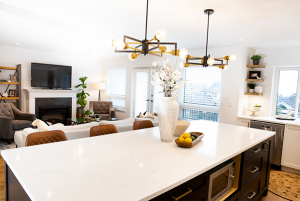
Typical renovation planning ranges for 2026
The following are broad early-stage planning ranges for professionally designed and managed renovation work in Metro Vancouver. They are not quotations and should be confirmed against current labour, material, permit, and subcontractor pricing before publication.
| Renovation type | Preliminary planning range |
| Cosmetic interior update | $50,000-$125,000+ |
| Standard kitchen renovation | $75,000-$150,000+ |
| Large or custom kitchen renovation | $150,000-$250,000+ |
| Standard bathroom renovation | $35,000-$60,000+ |
| Large or luxury bathroom renovation | $60,000-$100,000+ |
| Basement finishing | $100,000-$225,000+ |
| Legal secondary suite | $175,000-$300,000+ |
| Partial-home renovation | $175,000-$350,000+ |
| Major whole-home renovation | $300,000-$700,000+ |
| Luxury or highly customized transformation including addition | $600,000-$1 million+ |
| Major addition or second-storey project | Commonly $400,000+ |
These ranges can change substantially. A kitchen that keeps the existing layout is very different from a kitchen that requires wall removal, structural engineering, relocated plumbing, upgraded electrical service, custom cabinetry, new windows, and changes to the surrounding rooms.
The same principle applies to whole-home renovations. Two homes of similar size can have very different costs because the work hidden behind the walls may be completely different.
What does a $100,000 renovation look like?
A budget around $100,000 may support a focused renovation rather than a complete home transformation.
Depending on the home and the level of finish, it might include:
- A modest kitchen renovation that retains much of the existing layout
- One carefully planned bathroom and selected interior updates
- Flooring, painting, lighting, and finish improvements across several rooms
- A targeted renovation of the home’s most important living space
It would normally not support a complete high-end kitchen, multiple bathrooms, extensive structural changes, and major mechanical upgrades at the same time.
The strongest project at this budget level usually comes from identifying the one area that would make the greatest difference to daily life.
What does a $250,000 renovation look like?
At approximately $250,000, homeowners may be able to consider a more substantial transformation, such as:
- A significant kitchen and main-floor renovation
- One major kitchen plus one or two bathrooms
- A basement renovation, depending on existing conditions and whether it will become a legal suite
- A partial-home renovation involving new flooring, millwork, lighting, painting, and layout improvements
- Selected structural, electrical, plumbing, or energy-efficiency upgrades
The budget can still be affected by permits, engineering, older-home discoveries, custom finishes, and whether the family remains in the house during construction.
What does a $500,000 renovation look like?
A budget in the range of $500,000 may support a major whole-home transformation, depending on the size and condition of the property.
The project could include:
- Reconfiguring the main floor
- A custom kitchen
- Multiple bathrooms
- New flooring, lighting, doors, trim, and millwork
- Plumbing and electrical upgrades
- Window or exterior-door changes
- Heating, ventilation, insulation, or energy-efficiency improvements
- A finished basement or secondary living space
- Structural changes and engineering
Even at this level, an addition, extensive exterior work, landscaping, luxury appliances, specialty materials, or major foundation work could require a higher overall investment.
Why renovation prices vary so much
1. The condition and age of the home
Many homes in Burnaby, Vancouver, New Westminster, the Tri-Cities, and the North Shore were built decades ago. Once work begins, the project may reveal:
- Outdated wiring
- Aging plumbing
- Insufficient insulation
- Water damage or mould
- Structural deterioration
- Asbestos-containing materials
- Foundation or drainage concerns
- Previous unpermitted renovations
These conditions may not be visible during an initial conversation.
2. Changes to the layout
Keeping kitchens and bathrooms in their existing locations is generally less expensive than relocating them.
Removing walls, moving plumbing, enlarging windows, changing stairs, creating vaulted ceilings, or adding a storey normally requires more design, engineering, permitting, labour, and coordination.
3. The level of finish
Cabinetry, countertops, plumbing fixtures, flooring, tile, lighting, appliances, windows, and millwork can vary greatly in price.
A renovation using thoughtfully selected standard products will have a different cost from one involving imported stone, fully custom cabinetry, integrated appliances, specialty lighting, and architectural detailing.
4. Municipal permits and professional services
Depending on the work, a project may require:
- Building and development permits
- Architectural or design services
- Structural engineering
- Energy advising
- Mechanical or electrical design
- Surveys
- Arborist reports
- Hazardous-material testing
- Inspections and municipal fees
Requirements and timelines differ among Vancouver, Burnaby, Coquitlam, Port Coquitlam, Port Moody, New Westminster, North Vancouver, and West Vancouver.
5. Access and property conditions
A relatively straightforward renovation can become more complex when a property has:
- A steep or narrow lot
- Restricted parking
- Limited delivery access
- Significant stairs
- Retaining walls
- Difficult excavation conditions
- Neighbourhood construction restrictions
- Strata requirements
- Limited space for waste bins and material storage
This is especially relevant for some North Shore, Port Moody, West Vancouver, and Vancouver properties.
Costs homeowners often forget
The construction contract may not represent every expense connected to the renovation. Homeowners should also consider:
- Design and professional services
- Permit and inspection fees
- Hazardous-material testing and removal
- Appliances
- Furniture and window coverings
- Temporary accommodation
- Moving and storage
- Landscaping and exterior repairs
- Utility upgrades
- Insurance changes
- Financing costs
- GST
- A contingency reserve
For a major renovation, it is prudent to keep a contingency of approximately 10% to 20%, and potentially more when an older home contains significant unknowns.
A contingency is not an invitation to spend more. It is protection against conditions that cannot be fully confirmed before walls, floors, or ceilings are opened.
Why an exact quote cannot come from a quick walkthrough
A walkthrough is valuable for understanding the home and beginning the conversation. However, an accurate construction price normally requires more information:
- A clearly defined scope
- Measurements and site investigation
- Drawings
- Structural information
- Finish specifications
- Cabinetry and fixture selections
- Trade input
- Permit requirements
- Allowances for unresolved decisions
- Confirmation of exclusions and assumptions
When a contractor provides an extremely precise number before this work has been completed, homeowners should ask what is included, what has been assumed, and what might later become an additional cost.
A responsible early estimate should identify both the likely range and the information still needed to improve its accuracy.
Should you start with your dream or your budget?
Start with both.
Homeowners should explain what they hope to change and what they are realistically prepared to invest. A good renovation professional can then help determine which ideas belong in the first phase, which can be simplified, and which may need to be postponed.
A budget should not be treated as an uncomfortable secret. Sharing it helps the project team avoid designing something that cannot be built within the homeowner’s means.
It also makes it possible to focus the investment on the changes that will have the greatest effect on comfort, function, and quality of life.
Matthew’s advice before requesting a quote
Before contacting a renovation company, prepare five things:
- A description of what is not working in your home
- Your three most important goals
- A realistic investment range
- Photographs, plans, and available property information
- Your preferred timing and any important family circumstances
You do not need to have every finish selected or every design decision made. You should, however, be prepared to discuss your priorities honestly.
At Sasen Homes, we believe a successful renovation begins before construction. It begins by listening carefully, understanding how a family lives, and creating a responsible plan for the home they want to build together.
That is what “Our heart, your home” means to us.
Call us today 604.765.1708 or use our connect form to reach our team and Matthew Senf.